

Instant Download Guaranteed
The course is 100% completed and updated (includes ALL videos, pdfs, files, screenshots, everything); You Immediately get a link to download the course after you pay.
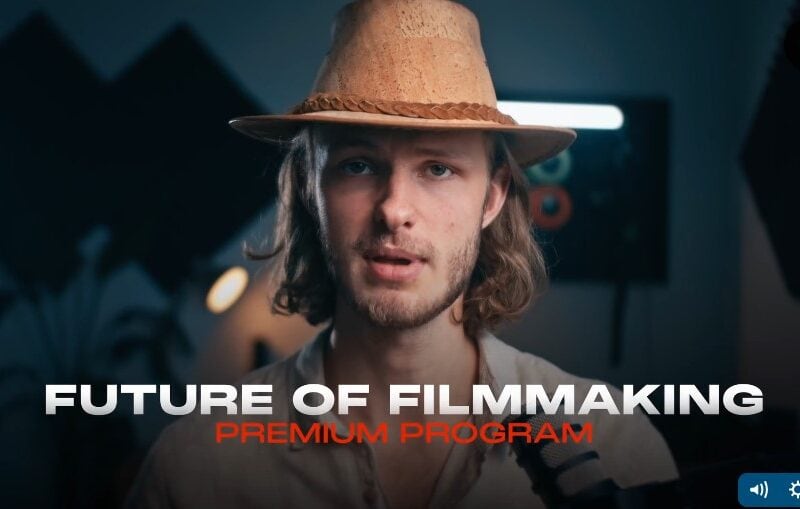
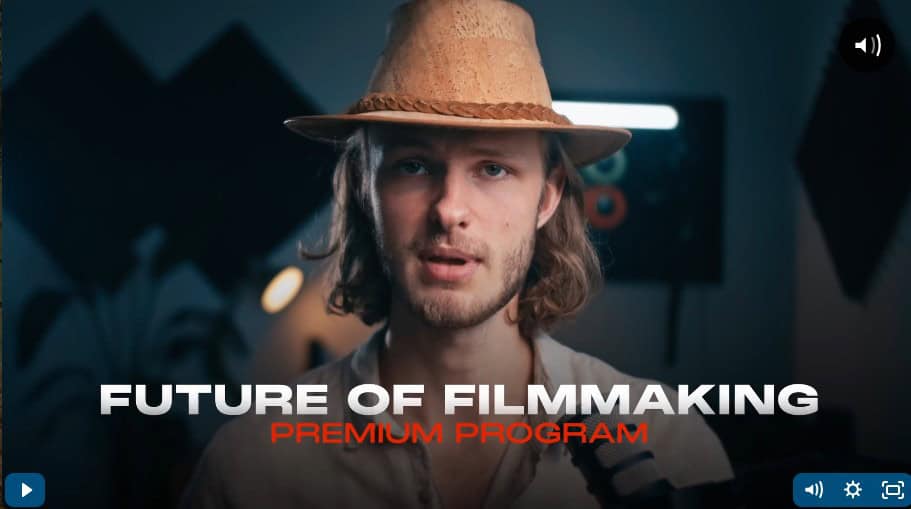
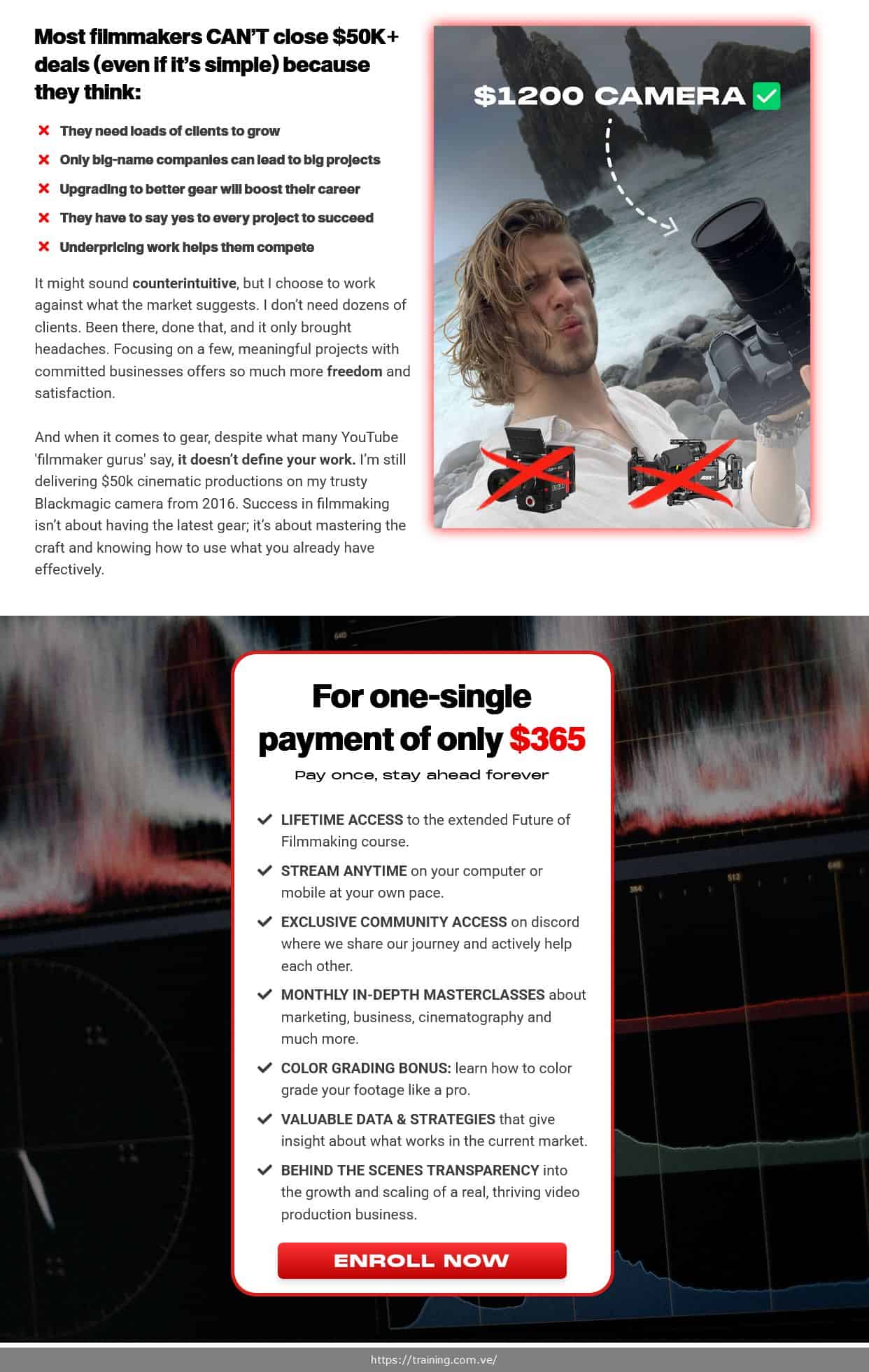
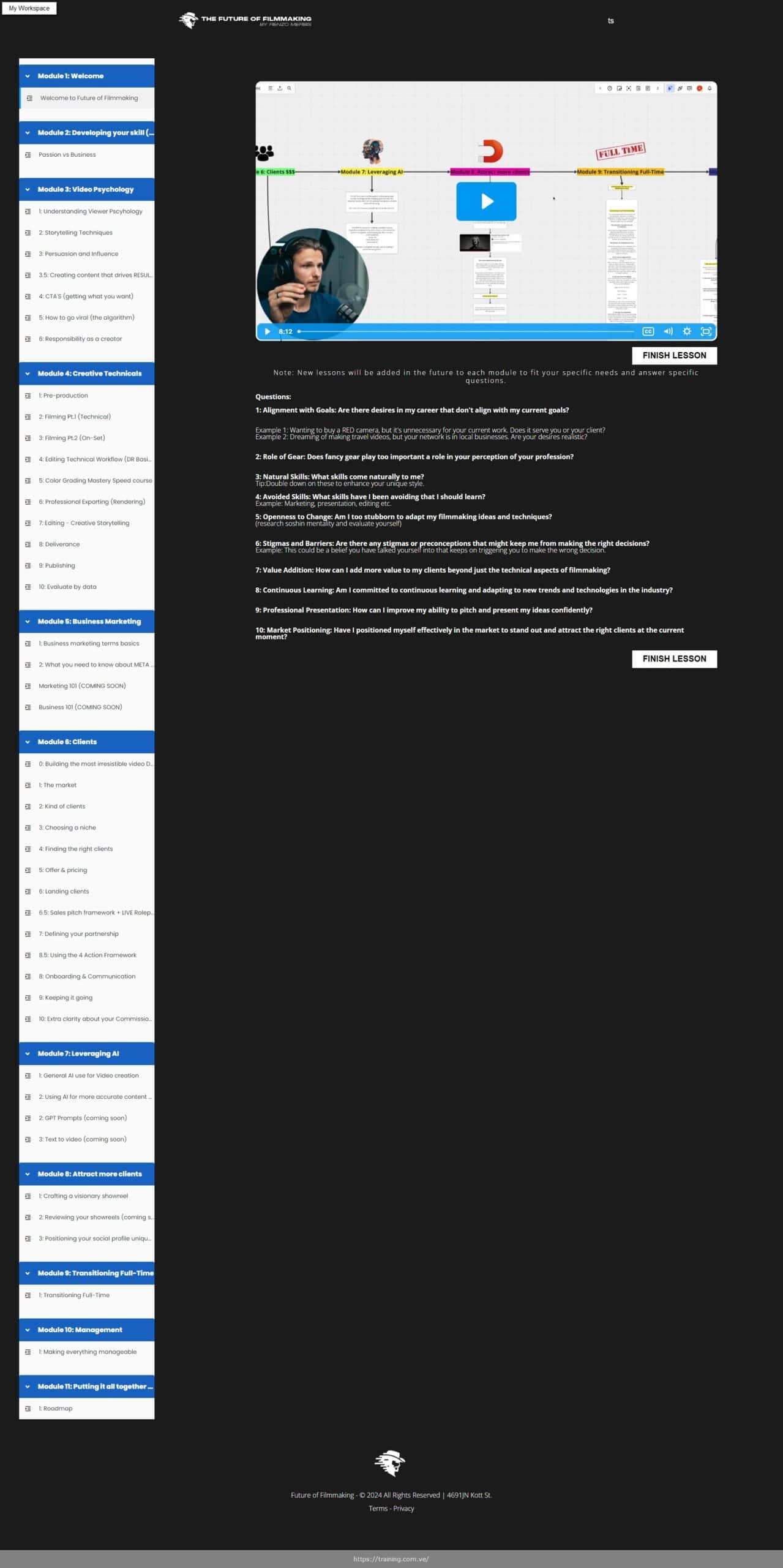
Free Video Sample Future of Filmmaking by Renzo Merbis
Exploring the Future of Filmmaking with Renzo Merbis
Imagine stepping onto a set where fantastical worlds materialize instantly. Directors adjust scenes in real time, while actors interact with environments that blend physical sets and digital landscapes. This isn’t science fiction—it’s how modern creators are redefining film creation today.
Visionaries like Renzo Merbis see technology as a bridge between imagination and reality. Projects like The Mandalorian showcase this shift, using real-time rendering to let teams visualize scenes as they unfold. The result? Faster decisions, lower costs, and more room for experimentation.
Traditional methods are evolving. Physical stages now merge with virtual backdrops, empowering filmmakers to craft stories without location limits. This hybrid approach isn’t just about flashy visuals—it’s about giving artists tools to prioritize storytelling over logistical hurdles.
You’ll discover how these innovations reshape workflows, balancing efficiency with creative risks. From indie projects to blockbusters, the industry is embracing fresh potential. It’s a thrilling time to explore how tools unlock new ways to connect with audiences.
Ready to dive deeper? Let’s unpack how today’s pioneers blend craft and code to build tomorrow’s cinematic world.
Technology and Trends in Modern Filmmaking
Have you ever wondered how today’s blockbusters are crafted with such seamless magic? The answer lies in technology that merges physical sets with digital worlds. Let’s explore three innovations rewriting the rules of production.
Virtual Production and Real-time Rendering
Imagine filming actors against dynamic landscapes that shift instantly. Tools like Unreal Engine build photorealistic environments projected onto LED walls. Camera tracking syncs digital backdrops with physical movements, letting directors adjust lighting or scenery mid-scene. This cuts post-production time and fuels creative experimentation.
AI Integration and Advanced Effects
Artificial intelligence now handles tedious tasks like rotoscoping or crowd simulation. For example, AI can generate realistic smoke or debris in seconds. This speeds up workflows, freeing artists to focus on storytelling nuances. The result? More polished films with tighter deadlines.
Blockchain and Quantum Computing in Film
Blockchain could revolutionize how content is funded and distributed. Smart contracts might automate royalty payments, while quantum computing tackles complex rendering tasks. These techniques hint at a decentralized model where indie creators compete with studios.
From LED volumes to AI-driven edits, these tools expand what films can achieve. They’re not just changing production—they’re redefining the art itself.
Cinematic Storytelling and Creative Vision
What if every camera angle could whisper secrets about a character’s soul? Modern storytelling thrives when technical precision dances with artistic intent. Let’s explore how visual language transforms scripts into emotional journeys.
Innovative Camera Movements and Framing
Watch how In the Mood for Love uses tight corridors and slow tracking shots. The camera becomes a silent observer, mirroring the characters’ repressed longing. Directors often shift from static wide shots to handheld close-ups during pivotal moments—like a heart racing faster as secrets unravel.
Consider the way Terrence Malick’s To the Wonder employs swirling camerawork. Free-floating movement mimics emotional turbulence, while shallow focus isolates lovers against vast landscapes. These choices don’t just show action—they let you feel the story’s pulse.
The Art of Lighting and Color
Light sculpts mood like clay. Warm amber hues in a kitchen scene might suggest nostalgia, while cold blue tones in empty streets echo isolation. Notice how films like Blade Runner 2049 use stark contrasts to separate hope from despair.
Color palettes also evolve with characters. A protagonist’s journey from gray office walls to sun-drenched fields visually shouts rebirth. As cinematographer Christopher Doyle once said:
“Light isn’t just illumination—it’s the way we breathe life into shadows.”
These techniques prove filmmaking isn’t about capturing reality—it’s about designing a world where every flicker of light serves the storytelling mission. Your eyes don’t just watch. They experience.
Future of Filmmaking by Renzo Merbis
What if a film could evolve as you watch it? Renzo Merbis sees tools like real-time rendering not as replacements for creativity, but as collaborators. His approach blends tactile production methods with digital wizardry, letting stories breathe in ways that feel both fresh and timeless.
Story Engines Over Green Screens
Take a scene where a character escapes a claustrophobic city for a windswept beach. Instead of filming on location, Merbis uses LED walls to project dynamic environments that react to actors’ movements. This lets directors tweak weather patterns or lighting during takes—no reshoots needed.
One project mapped a protagonist’s emotional arc through shifting color palettes. Warm gold tones signaled hope during flashbacks, while desaturated blues mirrored present-day isolation. The tech didn’t overshadow the storytelling—it amplified hidden layers in the script.
“Data informs choices; it doesn’t make them. The heartbeat of a film still comes from human intuition.”
Renzo Merbis
This synergy changes workflows. During pre-production, teams test multiple narrative paths using AI simulations. Does the hero’s decision land better in a rainy alley or sunlit park? Real-time feedback helps filmmakers choose faster.
For indie creators, these tools democratize possibilities. A single LED volume can replace costly location shoots, while cloud-based editing lets collaborators polish scenes from different continents. The result? Films that feel expansive yet intimately crafted.
Merbis’s experiments prove tech’s greatest potential lies in serving the story—not the other way around. When code and creativity hold equal weight, stories gain new dimensions you can almost touch.
Revolutionizing Film Production: Innovations and Techniques
Think about the last time you watched a movie that felt unshakably real. That immersion comes from smarter workflows merging tech with artistry. Today’s production teams build worlds faster while keeping every detail authentic.
Streamlined Workflows and On-Set Realism
Digital tools now let you sketch entire scenes in 3D during pre-production. Imagine planning camera angles using virtual sets before stepping on location. LED walls display interactive backdrops during filming—no green screen headaches. This cuts post-production work by 40% in some cases.
Take indie projects using smartphone apps for instant script breakdowns. Crews adjust lighting setups using AR overlays. These techniques help filmmakers focus on performances instead of technical delays.
| Traditional Methods | Modern Solutions | Impact |
|---|---|---|
| Weeks of location scouting | 3D environment scans | Faster setups |
| Manual lighting tests | AI-powered simulations | Energy savings |
| Physical set construction | Modular reusable designs | Lower waste |
Sustainable Production and Decentralized Filmmaking
Eco-friendly sets are rising. Solar-powered equipment and biodegradable props reduce carbon footprints. One studio repurposed 90% of its set materials for three different films.
Blockchain lets fans invest in stories they care about. Smart contracts ensure fair profit splits—no middlemen. This model helped a documentary team raise funds from 500 micro-investors worldwide.
These shifts don’t just save time or money. They let filmmakers pour more life into their craft. When logistics fade, creativity takes center stage.
Conclusion
Today’s cinematic landscape thrives where innovation meets imagination. Tools like real-time rendering and modular sets have transformed how films are made, letting creators focus on what truly matters—crafting compelling stories. These advancements aren’t just about flashy visuals; they’re rewriting the rules of production.
Imagine adjusting a camera angle while actors perform, or testing lighting schemes in seconds. Modern workflows empower filmmakers to iterate faster, blending physical sets with digital precision. Decentralized tools now let teams collaborate globally, ensuring diverse voices shape tomorrow’s narratives.
At its core, this shift honors the lifeblood of cinema—the human way of connecting through shared experiences. Whether through AI-enhanced editing or eco-friendly sets, every choice serves the story. The result? Authentic moments that resonate long after credits roll.
Your role in this evolution matters. Embrace tools that amplify your vision, and remember: every frame you shoot adds to cinema’s ever-unfolding legacy.
Immediately after you paid:


Common Questions
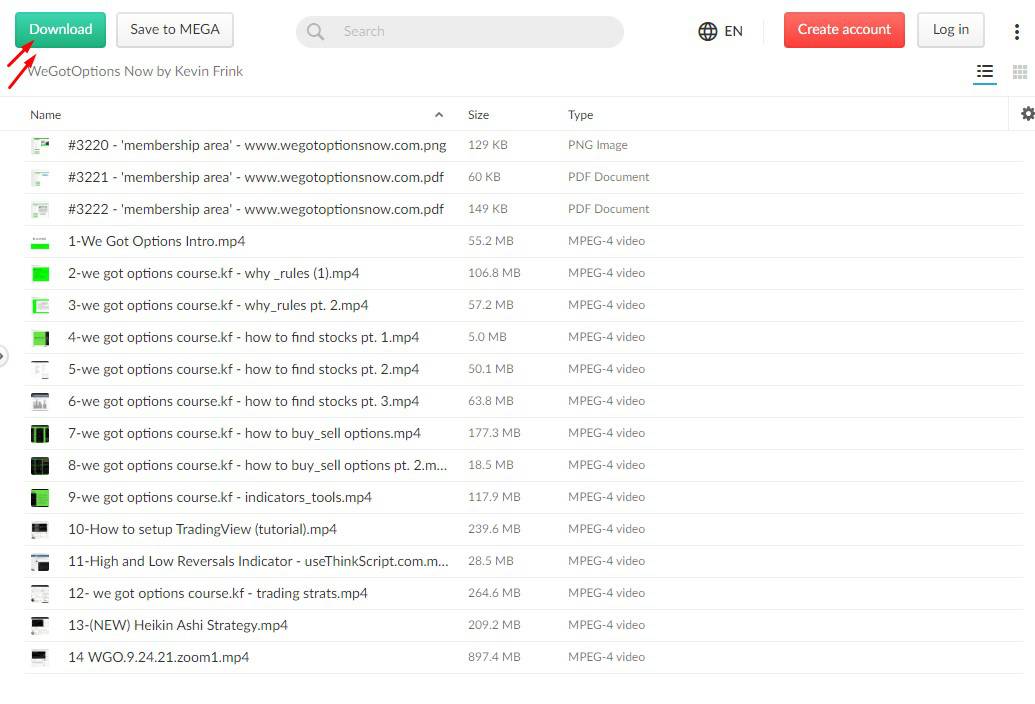
Instantly. Once payment is confirmed, a Mega.nz download link is sent directly to your email. This link is also saved in your account for future access.
Yes, 100%. You’re getting the entire course—all video modules, PDFs, templates, and any included bonuses. Everything the creator released is included.
Yes. If the course isn’t delivered as promised and we can’t fix it within 24 hours, we’ll refund your full payment. Contact us anytime to request a refund.
We share previews, screenshots, and video samples of every course. Additionally, PayPal’s Buyer Protection covers your purchase—if something goes wrong, you’re protected.
Yes. We use encrypted, anonymous registration. Your real name is never required or shared. Your privacy matters to us.
Just message us with a screenshot of the issue. We’ll resolve it quickly, or issue a complete refund if we can’t.
Definitely. Send us the course name and details, and we’ll try to source it for you.
Live chat is fastest. Otherwise, send us an email and expect a quick response.
No. Just download and access your content. No premium accounts or additional tools required.
Yes. Buy once, own forever. All future updates are included free of charge.
Creator communities, personal coaching, live sessions, and proprietary software are not part of your purchase.